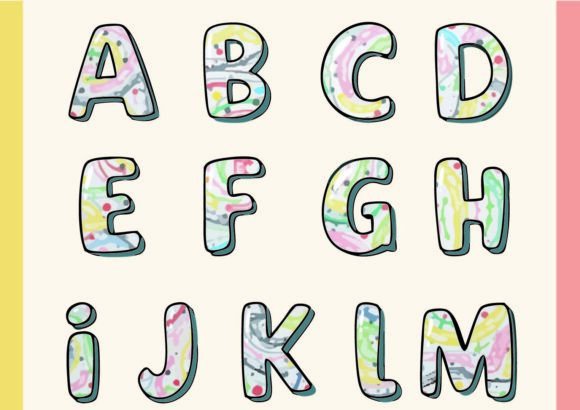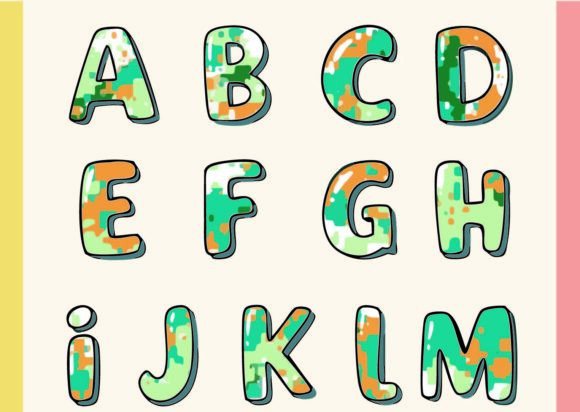
Malia: Where Every Glyph Becomes a Colorful Painting
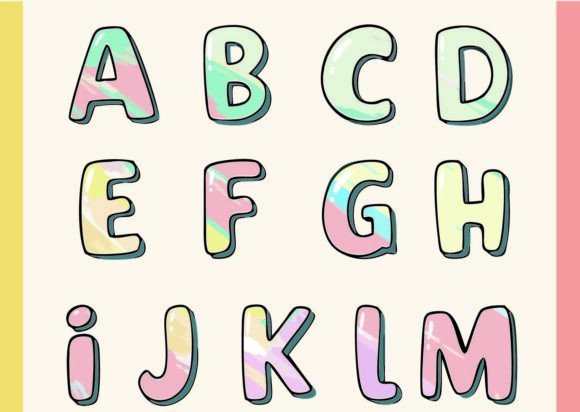
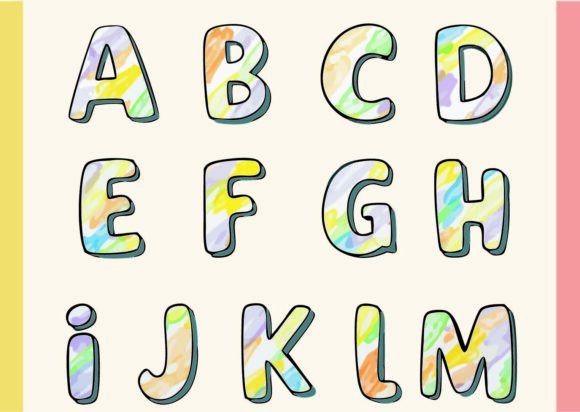
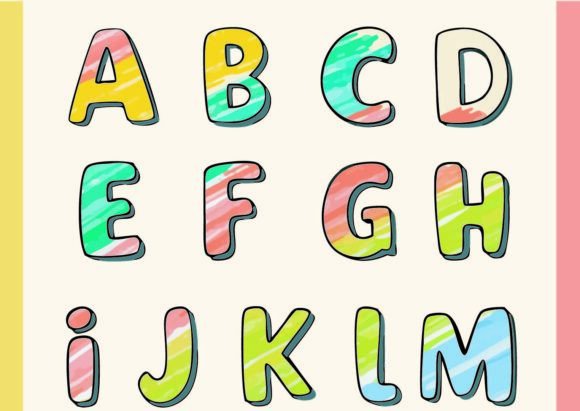
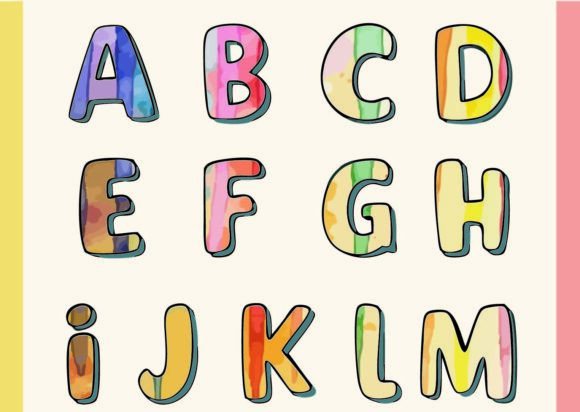
Imagine a typeface that doesn’t just sit on the page but leaps off it, alive with intricate detail and vibrant, shifting color. That’s the experience of using Malia. This isn’t your standard, static font. Each letter, number, and symbol is a unique, self-contained piece of art—a complex web of paths and connections, rendered in a distinct set of colors. It’s less like typing and more like placing miniature typographic paintings onto your canvas. For any project that demands immediate visual impact and a sense of crafted luxury, Malia offers something genuinely unique.
A Font That Thinks in Color and Pattern
At its core, Malia is a premium font that redefines what a typeface can be. Forget choosing a single color for your text. With Malia, every glyph is a pre-designed composition of hues and forms. The personality here is bold, artistic, and unapologetically decorative. It’s a display font in the truest sense, built for moments where you want to stop viewers in their tracks. The style leans into a modern, almost digital art aesthetic, making it perfect for contemporary brand identity work that aims to feel innovative and visually rich.
Because of its intricate nature, Malia isn’t a workhorse for body copy. Its strength lies in headlines, logos, monograms, and featured text where its incredible detail can be fully appreciated. Think of it as the centerpiece of your design, the element that draws the eye and sets the tone. For logo design, it can instantly communicate creativity and a high-end, boutique sensibility. In editorial design, a chapter title set in Malia can elevate a magazine spread or book cover into something collectible.
Practical Applications: From Digital Screens to Physical Products
The real-world value of a creative font like Malia lies in its versatility across different media, thanks to its Opentype-SVG format. This color font technology ensures the complex color and pattern details are preserved, whether you're working digitally or in print. Here’s where it truly shines:
- Digital & Web Design: Use Malia for hero section headlines on websites, making a powerful first impression. It’s equally effective for social media graphics, where a vibrant, eye-catching quote or announcement can significantly boost engagement. For video thumbnails or podcast cover art, it adds instant professionalism and style.
- Branding & Marketing: This is a commercial font that can define a brand’s visual language. It’s ideal for product-based businesses—think boutique packaging for cosmetics, gourmet foods, or artisan goods—where the font itself communicates quality and artistry. It works beautifully for event invitations, high-end promotional materials, and branded stationery.
- Publishing & Print: Beyond editorial titles, Malia is fantastic for packaging design and poster art. Its detailed glyphs hold up well in high-resolution print, making it suitable for book covers, album art, and large-format prints where visual detail is paramount.
- Crafting & Personal Projects: For hobbyists and crafters using compatible software like Silhouette, Malia opens up new possibilities. Create stunning custom decals, greeting cards, scrapbook elements, and personalized gifts that look professionally designed.
Integrating Malia into Your Design Workflow
Adopting a specialty font like Malia requires a thoughtful approach to ensure it enhances, rather than overwhelms, your project. Start by evaluating the project’s tone. Malia fits best with themes of creativity, luxury, artistry, and modern elegance. It may not align with minimalist, corporate, or highly technical contexts where sans serif fonts or clean serif fonts are more appropriate.
One of the most critical steps is font pairing. Because Malia is so visually dense, it demands a simple, understated companion. A clean, geometric sans serif or a elegant, lightweight serif font creates a necessary contrast, allowing Malia’s headings to pop while ensuring supporting text remains highly readable. Avoid pairing it with other decorative script fonts or handwritten fonts, as this will create visual chaos.
Always test the font in your specific design environment. While compatible with major software like Photoshop, Illustrator, and Inkscape, it’s wise to verify how the color glyphs render in your final output. Check the included styles; a family with multiple weights or variations (if available) can add useful flexibility. Most importantly, consider readability. Use Malia at a sufficient size where its intricate details are clear, and reserve it for short bursts of text—think headlines, single words, or logos.
For commercial use, review the licensing terms carefully. Ensure the license covers your intended applications, whether for client work, merchandise, or digital products. A premium font is an investment in your design assets, and understanding the terms protects that investment and your projects.
The Final Word: A Tool for Making Statements
Malia is more than a typeface; it’s a statement piece. It influences brand perception by injecting a sense of bespoke artistry and visual excitement. In a crowded marketplace, it helps with recognition and consistency—once a brand adopts Malia for its key visuals, it becomes an unmistakable part of its identity. For designers, marketers, and creators, it’s a powerful tool for those specific projects where ordinary typography simply won’t do. When you need to transform a headline into a centerpiece and make every character a conversation starter, Malia delivers a colorful heaven of creative potential.